We all have accidents, and sometimes, this involves spilling wine or coffee or butter on your favourite item of clothing. So how do you get rid of stains from clothes? Follow our step-by-step guide to remove stains from your favourite wool clothing.
Wool is easy to care for and the natural fibre’s inherent benefits such as resistance to both odour and stains mean that wool clothes require less washing and at lower temperatures compared to clothes made from other fibres. But if you do accidentally spill something on your favourite item of clothing and need to get rid of a stain, these handy tips will have your clothes looking as new in no time.
How to remove butter, sauce or grease stains
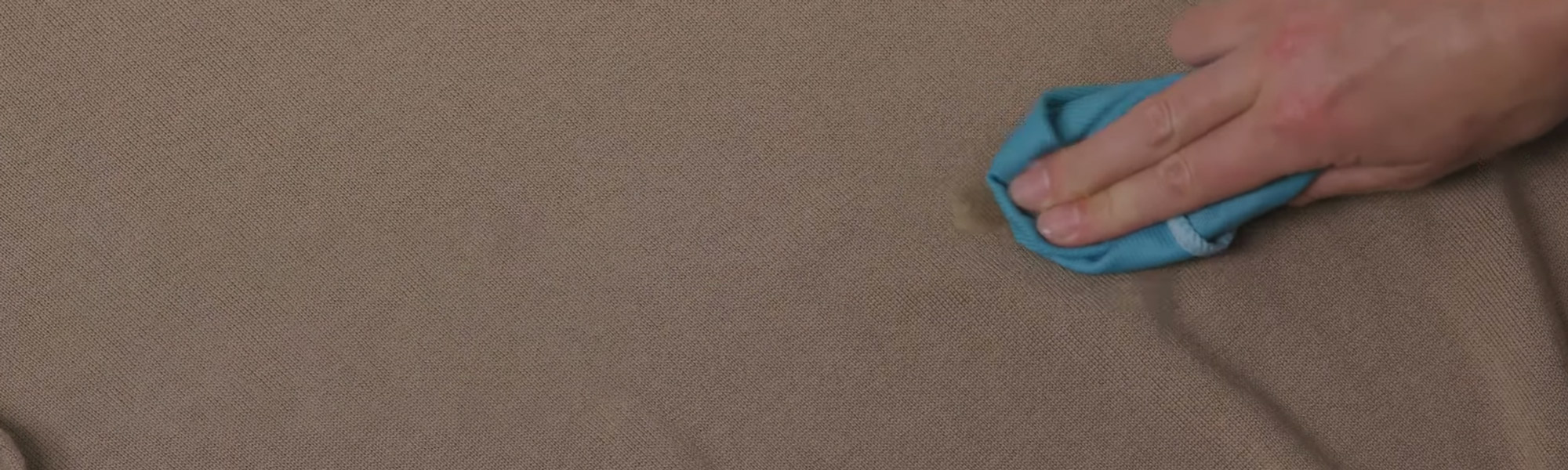
1. If a greasy mark forms, firstly scrape the surface of the stain with a spoon or blunt knife to remove any excess oil.
2. Use a hot iron over layers of tissue to soak up the excess oil/grease.
3. If required, soak a lint-free cloth in proprietary grease remover or white spirit. Gently dab the area, blotting the solvent as much as possible. Repeat if necessary, then allow to dry.
4. Wash using a Woolmark-approved detergent.
How to remove egg or milk stains
1. Mix half a teaspoon of salt into one cup tepid water and dab the stain with the solution. Rinse well and blot up excess water.
2. If stain persists then add one teaspoon of biological detergent to a cup of warm water and apply this solution to the stain, then wait for 15 minutes. Rinse well with clean water
3. Repeat the action with a cloth soaked in diluted white vinegar to neutralise the biological detergent.
4. Wash using a Woolmark-approved detergent.
How to remove red wine, fruit or fruit juice stains
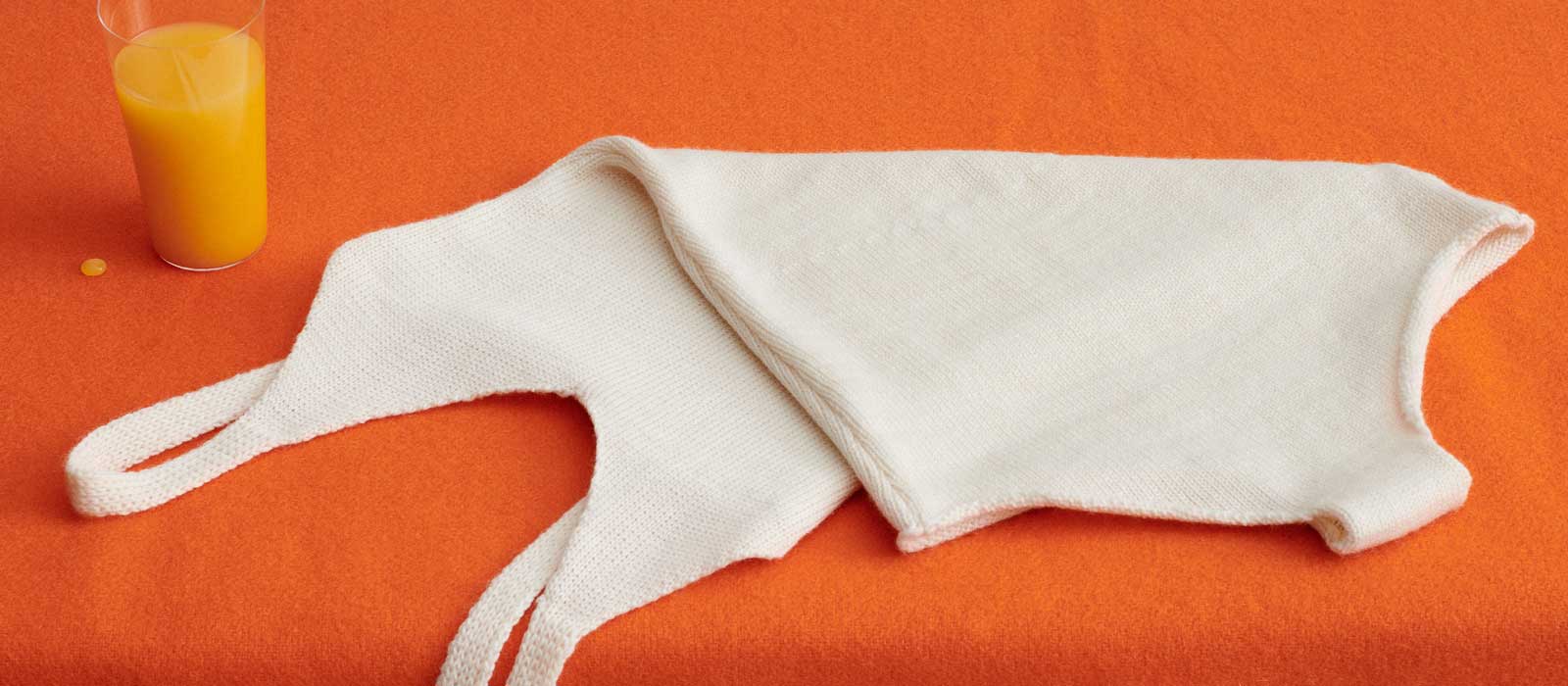
1. Rinse as much of the drink as possible with clean water then apply a dilute solution of Woolmark-approved detergent in tepid water.
2. If the stain persists create a mixture of 3 parts surgical spirit or rubbing alcohol, plus 1 part of cold water and dab the stain with the mixture. Blot excess liquid.
3. Rinse well then wash using a Woolmark-approved detergent.
How to remove white coffee, tea, milk, hot chocolate and chocolate stains
1. Dab gently around the edge of the stain with a lint-free cloth soaked in a dilute solution of Woolmark-approved detergent in tepid water. Blot gently with an absorbent cloth or towel.
2. If an oily stain persists after drying, then dab gently from the edge of the stain with a cloth soaked with white spirit. Press gently with an absorbent cloth or towel to soak up excess solvent then allow to dry.
3. Wash using a Woolmark-approved detergent.

How to remove black coffee stains
1. Ideally, immediately rinse under cold running water to dilute the coffee.
2. If the stain has dried, then make a mix of 1/2 teaspoon of baking soda with 1 cup tepid water. Soak a lint-free cloth in the solution and lightly dab the stained area. Press gently with an absorbent cloth.
3. If the stain persists apply a solution of 3 parts surgical spirit or rubbing alcohol, plus 1 part cold water. Press gently with an absorbent cloth.
4. Rinse well then wash using a Woolmark-approved detergent.
How to remove alcoholic drink stains
1. Dab gently with an absorbent, lint-free cloth to remove as much excess liquid as possible.
2. Sponge the area sparingly with a mixture of warm water and surgical spirit or rubbing alcohol in equal parts.
3. Rinse well then wash using a Woolmark-approved detergent.
How to remove lipstick, makeup or shoe polish stains
1. Gently dab from the edge of the stain with a cloth soaked with white spirit or spot-cleaning spray.
2. Press gently with an absorbent cloth or towel to soak up excess solvent then allow to dry.
3. Wash using a Woolmark-approved detergent.

How to remove blood stains
1. Remove excess blood immediately with absorbent towel.
2. Gently dab the area using undiluted white vinegar followed by cold water.
3. Wash using a Woolmark-approved detergent.
How to remove grass stains
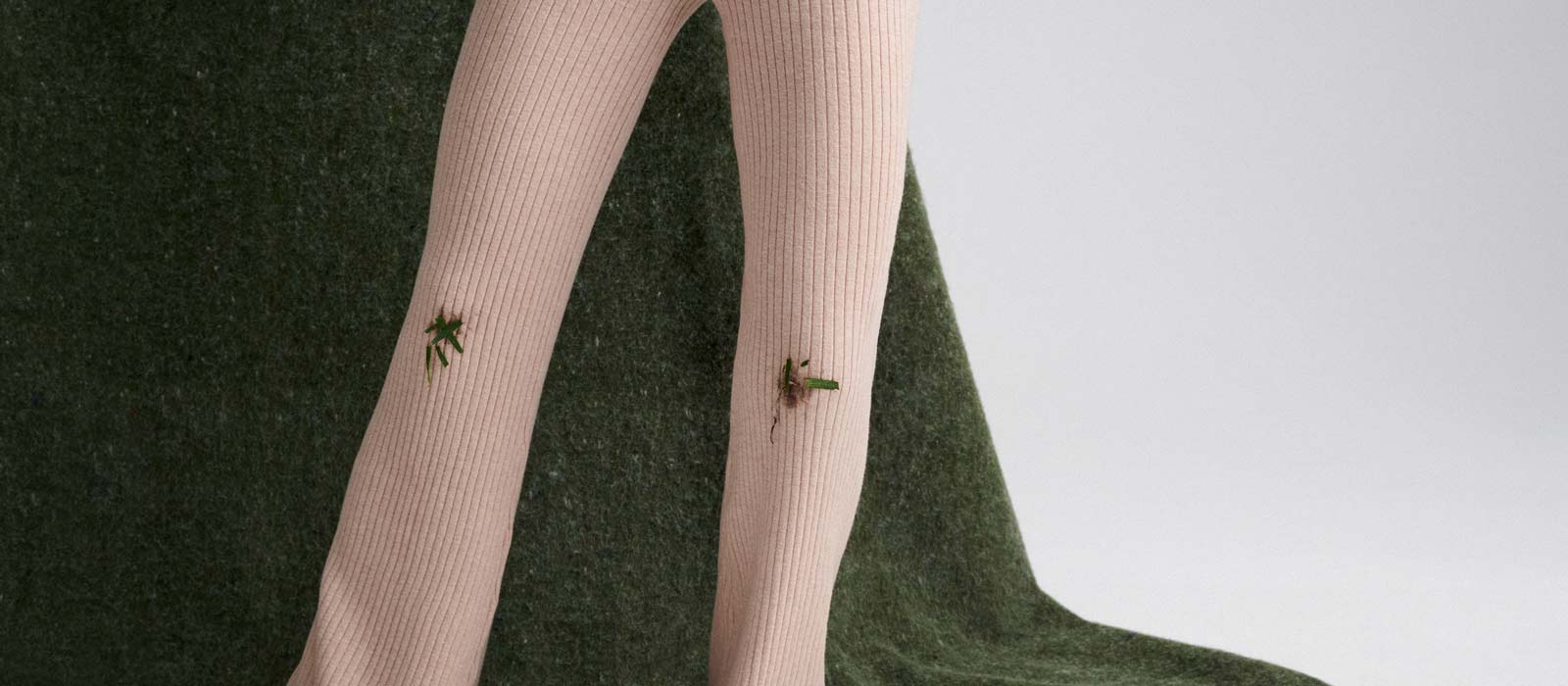
1. Carefully apply some mild tablet soap to the stained area.
2. Dab gently with a lint-free cloth soaked in surgical spirit or rubbing alcohol.
3. Wash using a Woolmark-approved detergent.
How to remove ink or ballpoint pen stains
1. For ball-point pen stains, gently dab with a lint-free cloth soaked in surgical spirit or rubbing alcohol. Press gently with an absorbent cloth or towel to soak up excess solvent. Do not allow to dry.
2. For water-based writing ink (pens which aren’t ball-point), gently dab with a lint-free cloth soaked in diluted Woolmark-approved detergent solution. Press gently with an absorbent cloth or towel to soak up excess liquid. Do not allow to dry.
3. Hand-wash using a Woolmark-approved detergent.
Stain removal tips and hacks
- Always scoop or blot any excess spills quickly using white tissue or an absorbent towel. Remove solid stains with a blunt knife or spoon.
- When possible, pre-test any treatment in an unseen area to check for any appearance change, colour loss or dye-bleeding.
- To treat a stain, apply small quantities of liquid treatment and blot well. Do not rub with clean tissue after each application. Work carefully to release stain from edge to centre.
- Oily or greasy stains are best treated with solvents first which must be allowed to evaporate before any water-based treatments are subsequently carried out. If the solution is not properly removed before drying it is possible a coloured ring will develop. To avoid this, water-based treatments must be thoroughly rinsed out of the fabric and then, if the care claim allows, the whole garment should be hand washed using neutral or wool detergent.
- A quick internet search will show there are many alternatives to the wool stain removal methods shown above but bear in mind they are primarily aimed at garments made from cotton or synthetic fibres and not all methods are suitable for wool. If your garment’s care label says it can be dry cleaned, let the dry cleaner know the nature of the stain and any treatments you have already applied, if any.
- Take care if using chemicals to treat stains and work in a well-ventilated area.